Compare Local Contractors for Lawn Herbicide Treatment Services
Compare local contractors for lawn herbicide treatment to define scope, verify experience, and set clear expectations for a successful property care project.
Lawn herbicide treatment services typically involve applying targeted herbicides to control or eliminate unwanted weeds in residential or commercial landscapes. These treatments focus on identifying invasive or problematic weeds, selecting appropriate herbicides, and applying them safely to promote healthy grass and plant growth. The scope of work can include pre-emergent and post-emergent applications, weed identification, and tailored treatment plans designed to address specific weed issues while minimizing impact on desirable plants.
Clearly defining the scope of a herbicide treatment project is essential for setting realistic expectations and ensuring that both property owners and contractors are aligned on the work to be performed. A detailed scope might specify which areas will be treated, the types of weeds targeted, the frequency of treatments, and any preparatory or follow-up steps required. Having these details in writing helps prevent misunderstandings, ensures that the work meets specific needs, and provides a basis for evaluating the quality and completeness of the service once completed.
Property owners can compare local contractors by reviewing their experience with herbicide treatments, understanding the services included, and assessing how well each provider’s offerings match their landscape goals. It’s helpful to verify that contractors are familiar with local weed issues and have a reputation for thorough, professional work. When evaluating options, property owners should consider requesting detailed descriptions of the scope of work, checking references or reviews if available, and ensuring that expectations are clearly documented in writing. This approach supports making informed decisions when selecting a service provider for lawn herbicide treatment.
Compare local contractors by outlining your herbicide treatment priorities, verifying experience, and clearly defining scope and expectations.
- Compare Contractor Experience - Review the background and expertise of local contractors to ensure they can handle herbicide treatments effectively.
- Define Scope Clearly - Specify the areas to be treated and the type of herbicide application needed for accurate service delivery.
- Verify Service Details - Confirm the methods, products, and procedures contractors plan to use to meet project expectations.
- Get Written Agreements - Ensure scope, responsibilities, and expectations are documented in a clear, detailed contract.

Clearly describe your lawn herbicide project and compare local contractors by defining scope, verifying experience, and setting expectations in writing.
- Verify that the contractor clearly defines the scope of herbicide treatment to target specific weeds and areas. - Ensure that service providers specify the types of herbicides used and their application methods.
- Check that the contractor has experience treating lawns with similar grass types and weed issues. - Look for local contractors with a proven track record in herbicide applications for residential lawns.
- Confirm that the scope of work and any surface preparation requirements are detailed in writing. - Make sure the service provider outlines any necessary lawn prep or post-treatment care instructions.
- Assess whether the contractor provides a detailed description of the herbicide products to be used. - Ensure that the products are suitable for the lawn and compliant with local regulations.
- Determine if the contractor discusses potential impacts on desirable plants and lawn health. - Look for providers who consider the overall health of the lawn and surrounding landscape.
- Compare how different contractors outline their treatment procedures and safety precautions in writing. - Use written descriptions to evaluate the thoroughness and professionalism of each service provider.
Compare local contractors, clarify your project scope, verify experience, and set clear expectations in writing.
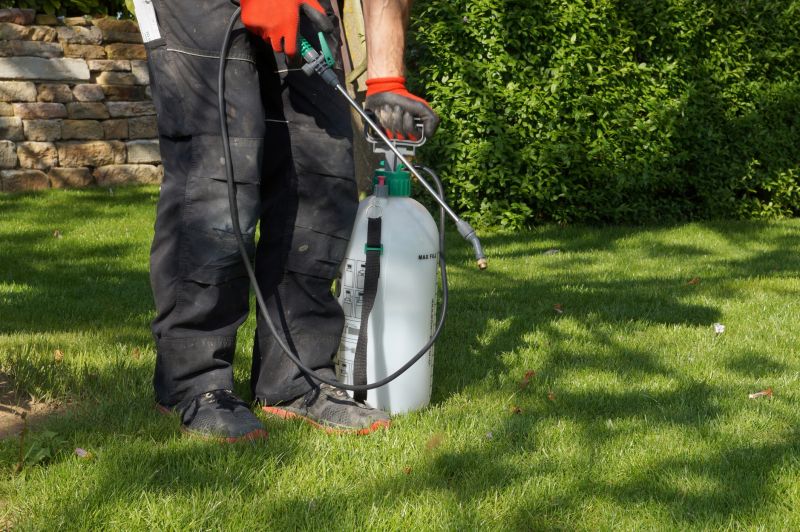


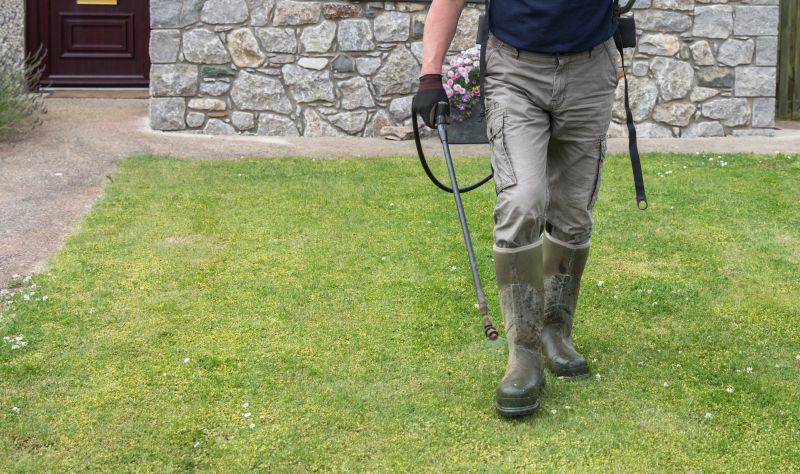
This scope builder helps compare local contractors, define the work, verify experience, and set clear expectations.
- Scope Definition - Clearly specify the areas of the lawn to be treated with herbicide and any specific weed issues to address.
- Application Details - Outline the type of herbicide to be used, application methods, and targeted weed species.
- Experience and Expertise - Verify that service providers have relevant experience handling lawn herbicide treatments effectively.
- Written Agreement - Ensure all scope details, expectations, and responsibilities are documented in a formal agreement.
- Exclusions and Limitations - Define what is not included in the treatment to prevent misunderstandings.
When evaluating contractors for Lawn Herbicide Treatment, it is important to consider their experience with similar projects. Homeowners should inquire about how long the service provider has been performing herbicide treatments and whether they have worked on properties with comparable lawn types and sizes. Contractors with a proven track record in handling projects similar to the specific needs of a property are more likely to understand the nuances involved and deliver effective results. Gathering information about their past work can help ensure that the service provider has the relevant background to meet expectations.
A clear, written scope of work is essential when comparing contractors for herbicide treatment services. Homeowners should seek detailed descriptions of what the treatment entails, including the types of herbicides used, the areas to be treated, and any preparatory or follow-up steps involved. A well-defined scope helps prevent misunderstandings and provides a basis for evaluating whether the contractor’s proposed approach aligns with the property’s needs. Ensuring that all aspects of the project are documented in writing can also serve as a reference point for future discussions and adjustments.
Verification of a contractor’s experience can be supported by requesting references or examples of previous projects. Homeowners should consider asking for contact information of past clients or case studies that demonstrate the contractor’s ability to deliver quality herbicide treatments. It’s also helpful to verify that the contractor has the appropriate knowledge of local weed issues and herbicide application techniques. While licensing and certification are not part of the verification process, gathering evidence of past work can provide confidence in the contractor’s capability to handle the specific requirements of the lawn.
When comparing options, homeowners should focus on how well each contractor’s proposal addresses the scope of work and the experience demonstrated. It is beneficial to ask service providers to clarify their methods and to provide a detailed plan that aligns with the property’s needs. Evaluating how thoroughly each contractor understands the project and whether their approach matches the documented scope can help identify the most suitable option. By emphasizing written communication and verified experience, homeowners can make informed decisions that set clear expectations for the herbicide treatment service.
Ask for written scope and details to ensure clear understanding and consistent expectations with service providers.
- Experience and Expertise - What specific experience do local contractors have with lawn herbicide treatments similar to the scope needed?
- Scope of Work - How do contractors define and outline the scope of herbicide application to ensure all areas are covered?
- Product and Application Methods - What types of herbicides and application techniques do local service providers use, and how do they differ?
- Insurance and Liability - Do the contractors have appropriate insurance coverage to protect against potential damages or issues?
- Written Agreements - Are the details of the herbicide treatment, including scope and materials, clearly documented in a written agreement?
What should I consider when choosing a contractor for lawn herbicide treatment? It's important to compare the experience of local contractors, review their scope of work, and ensure that expectations are clearly defined in writing to select the best professional for the job.
How can I verify a contractor’s experience with herbicide treatments? You can ask for details about their previous projects, request references, or review any available credentials to gauge their familiarity with lawn herbicide applications.
What questions should I ask a contractor before hiring for herbicide treatment? Inquire about their methods, the types of herbicides used, safety protocols, and how they plan to address specific weed issues on your property.
Why is it important to define the scope of work in writing? Having a clear, written scope helps prevent misunderstandings, sets expectations, and ensures that both parties agree on the services to be performed.
How can I compare different contractors for lawn herbicide services? Review their experience, scope of work, and written proposals to evaluate how well each meets your needs before making a decision.
What role does communication play when working with a contractor for herbicide treatment? Open and clear communication ensures that expectations are aligned, questions are addressed, and the project proceeds smoothly according to plan.
This page has outlined key points to consider when choosing contractors for lawn herbicide treatment, including how to define the scope of work, verify experience, and set clear expectations in writing. Comparing local service providers can help identify options that align with specific needs and preferences. Utilizing the quote form allows for straightforward comparisons among nearby contractors, making it easier to find the right fit for the project.
By using the provided quote form, visitors can efficiently connect with local contractors capable of handling herbicide treatments for lawns. This process supports informed decision-making by highlighting available options and encouraging direct comparison. Taking the time to review and evaluate local service providers can help ensure that the chosen contractor meets the desired scope and standards.